
Utah Bankruptcy Records Search
Utah bankruptcy records are federal court documents held by the U.S. Bankruptcy Court, District of Utah. Every bankruptcy case filed in Utah goes through this single federal court, which covers all 29 counties in the state. You can search Utah bankruptcy records online using PACER, by phone through the McVCIS voice system, or in person at the courthouse in Salt Lake City. This page explains the tools and steps you need to find case filings, dockets, and court records for Utah bankruptcy cases.
Utah Bankruptcy Records Quick Facts
What Are Utah Bankruptcy Records
Utah bankruptcy records are official court documents created when a person or business files a bankruptcy petition with the federal court. These case filings become part of the public record once they are docketed. The records include the petition itself, schedules of assets and debts, creditor lists, court orders, and the final discharge or dismissal. All of these documents are maintained by the U.S. Bankruptcy Court, District of Utah, and are available to the public through approved access channels.
The U.S. Bankruptcy Court, District of Utah is the only federal court that handles bankruptcy cases for the entire state. It is located at the Frank E. Moss U.S. Courthouse, 350 South Main Street, Salt Lake City, UT 84101. The court can be reached at 801-524-6687. Chief Judge Honorable Peggy Hunt presides over the court, and David A. Sime serves as Clerk of Court. Understanding what these records contain is the first step in conducting any useful search of Utah bankruptcy case filings.
Bankruptcy case records in Utah are governed by Federal Rule of Bankruptcy Procedure 5003. That rule requires the clerk to keep a docket, an index, a claims register, and a record of judgments for every case. These records form the backbone of any search you conduct through PACER or at the courthouse.
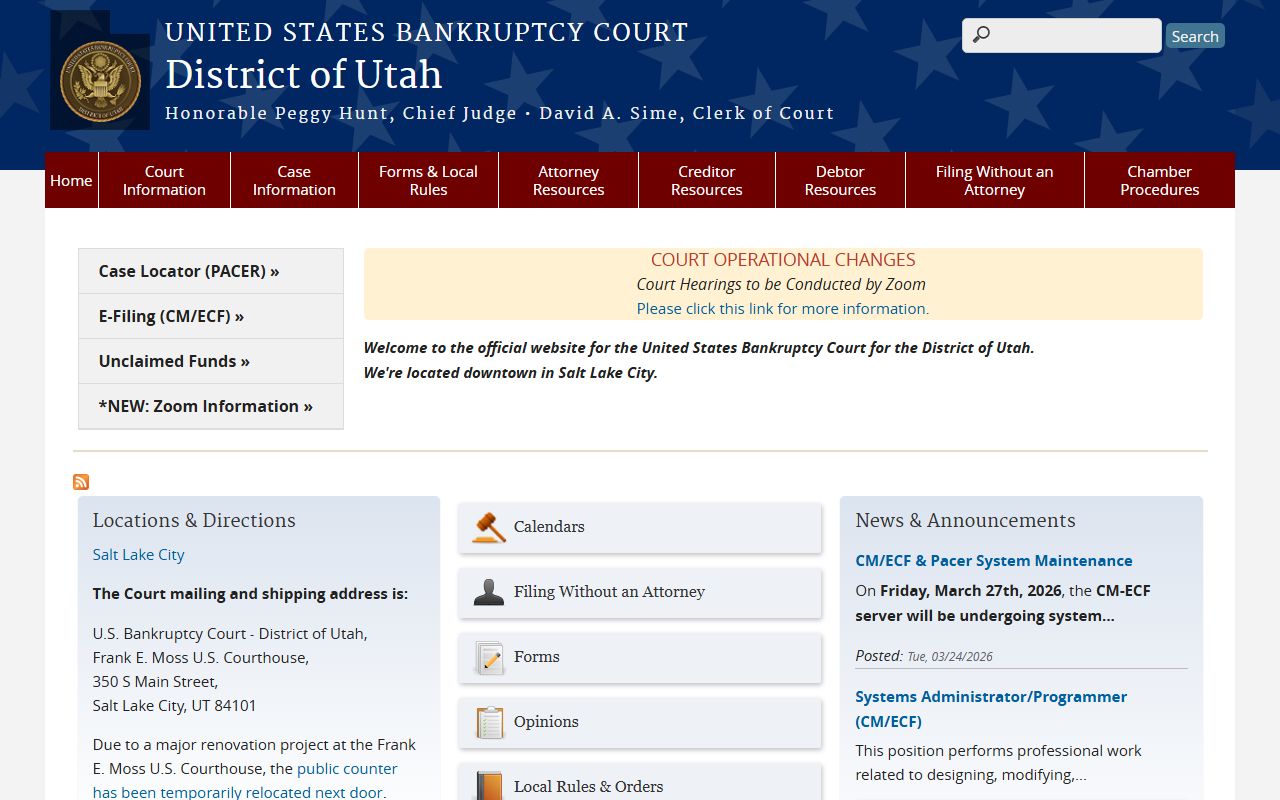
The court website at utb.uscourts.gov is the main starting point for finding Utah bankruptcy records and learning about court procedures, local rules, and public access options.
How to Access Utah Bankruptcy Records Online
The primary tool for accessing Utah bankruptcy records online is PACER, which stands for Public Access to Court Electronic Records. PACER is a federal system that gives the public electronic access to case and docket information from federal courts across the country, including the U.S. Bankruptcy Court in Utah. You must create a free account at pacer.uscourts.gov before you can search. There is a small per-page fee for documents you view or download, though users who accumulate less than $30 in charges per quarter pay nothing.
Once logged in to PACER, you can search Utah bankruptcy records by debtor name, Social Security number, tax ID, or case number. Results show the full docket with all court filings listed in order. You can view and download most documents directly from the docket. The PACER Service Center is available by phone at 800-676-6856, Monday through Friday from 8 a.m. to 6 p.m. Central time, if you need help with your account or have billing questions.
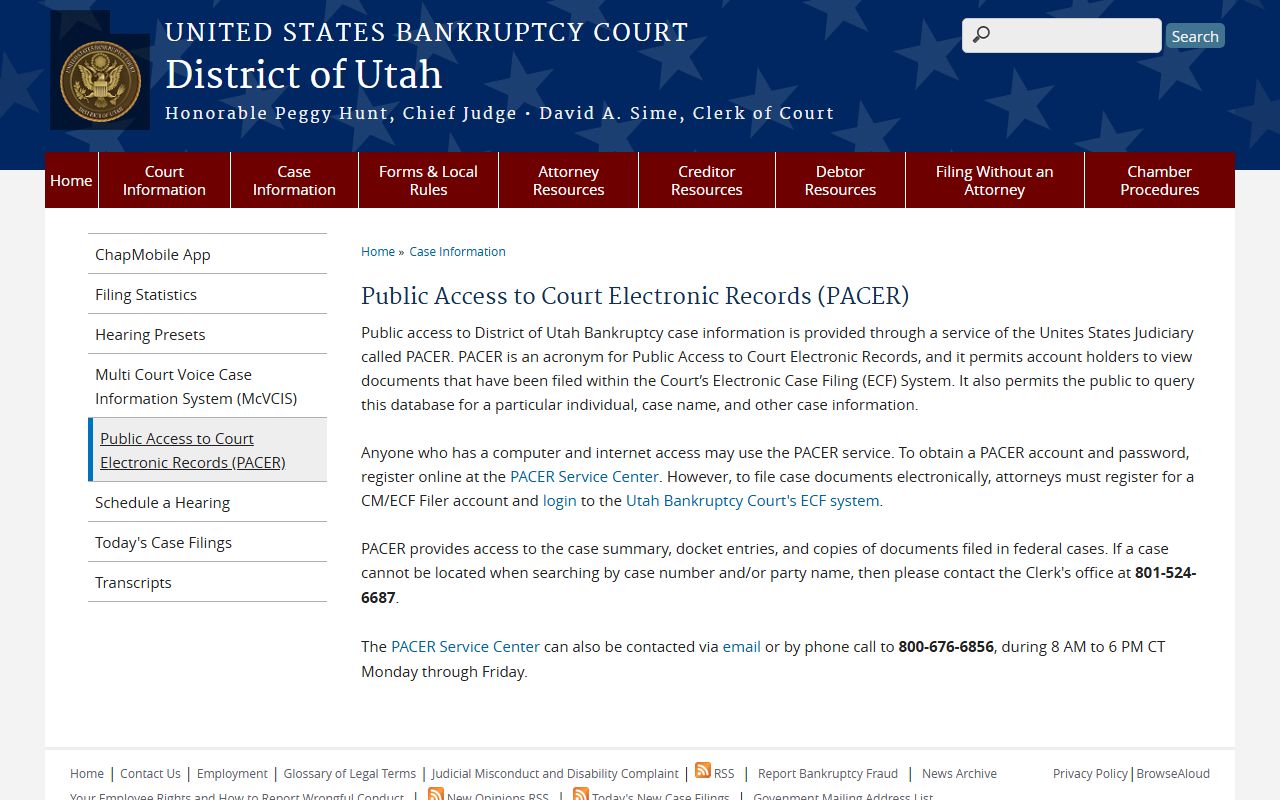
The Utah bankruptcy court's PACER information page at utb.uscourts.gov/public-access-court-electronic-records-pacer-crtmenu explains registration steps, fee structure, and what records you can view through the system for Utah bankruptcy cases.
Note: PACER charges fees per page viewed, but the PACER Service Center can help you manage your account and understand billing options for searching Utah bankruptcy records.
PACER Case Locator for Utah Bankruptcy Filings
The PACER Case Locator is a separate tool within the PACER system that allows you to search for bankruptcy filings across all federal courts in the country from one place. If you are not sure which court a Utah bankruptcy case was filed in, or if you want to check whether someone has a bankruptcy case anywhere in the United States, the Case Locator is the right tool. It searches case index data from courts nationwide and returns matching results with links to the specific court's docket.
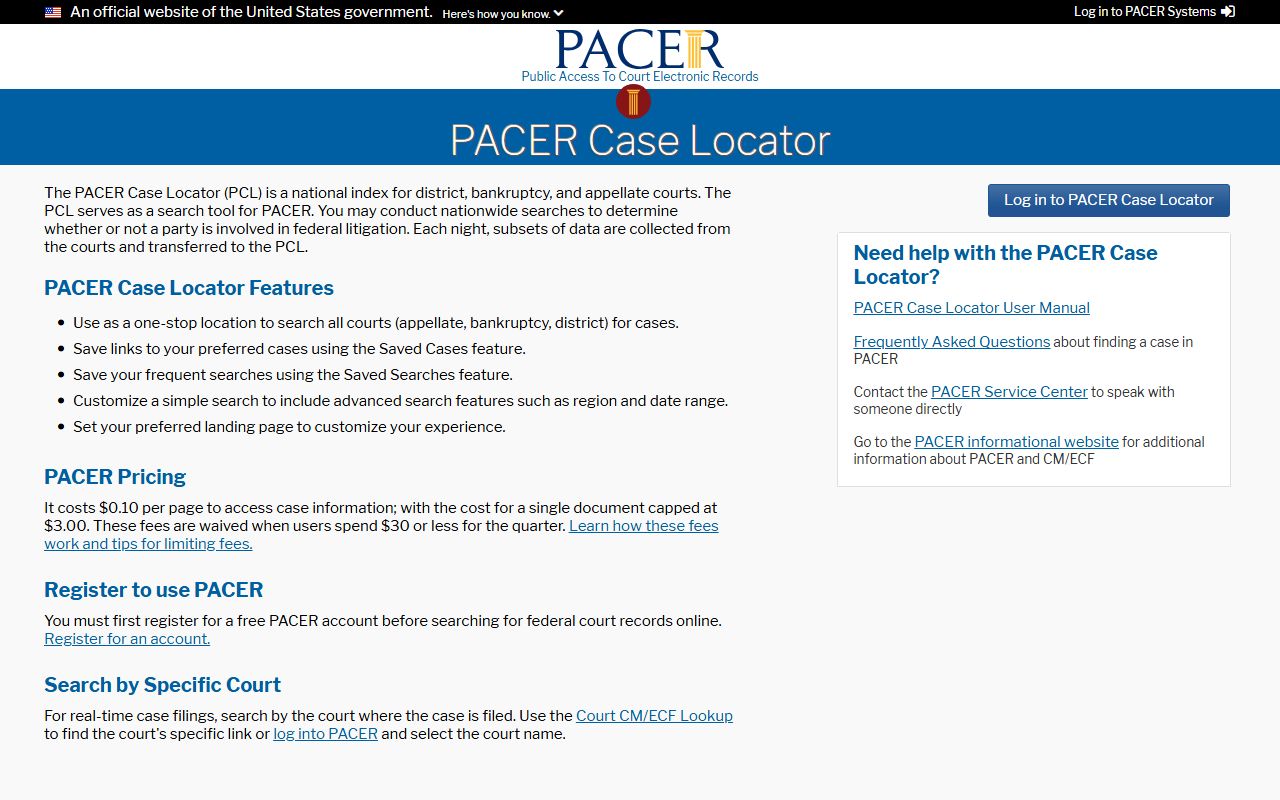
You can access the PACER Case Locator at pcl.uscourts.gov. Because all Utah bankruptcy cases go through one district court, the Case Locator is most useful when searching for a debtor who may have filed in another state or when you want to confirm no prior cases exist in other jurisdictions.
For Utah state court records that are separate from bankruptcy, the Utah Courts XChange system provides subscription-based access. XChange is operated by the Utah state court system and covers civil, criminal, and domestic cases filed in Utah district and justice courts. You can learn more at utcourts.gov/xchange. XChange does not include federal bankruptcy records, but it is useful for finding state-level court records that may relate to a bankruptcy situation.
Ways to Find Utah Bankruptcy Case Records
Beyond PACER, several other tools and methods let you access Utah bankruptcy records. The court maintains a page dedicated to explaining all available access options. Knowing which method fits your needs saves time and money when searching for bankruptcy case filings in Utah.
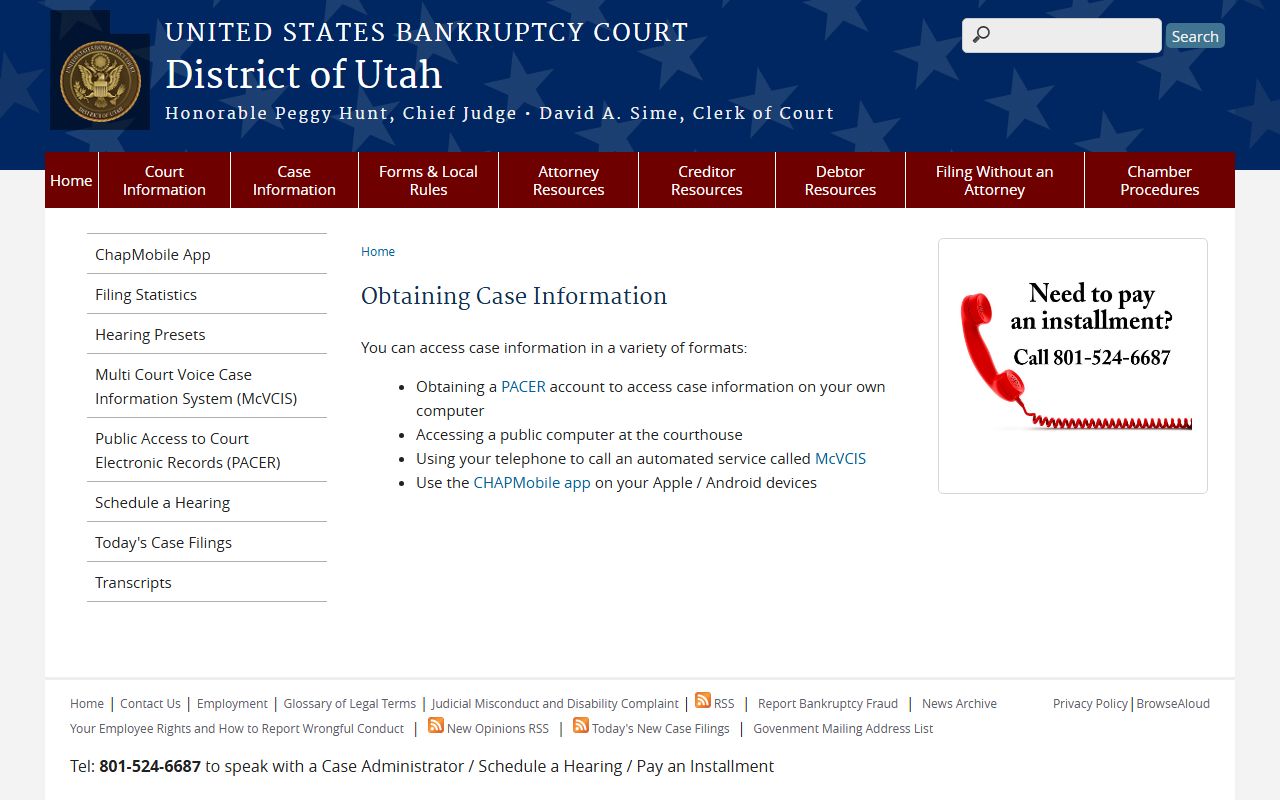
The Utah bankruptcy court's case information page at utb.uscourts.gov/obtaining-case-information lists every method available for accessing bankruptcy records in Utah, from online tools to phone access to in-person visits.
The McVCIS voice system gives free 24-hour access to basic Utah bankruptcy case information by phone. Call 866-222-8029, extension 83, and use the touch-tone menu to search by case number or debtor name. McVCIS works around the clock and costs nothing to use. It is a good first step if you want to confirm whether a case exists before logging into PACER. The CHAPMobile app is another option. It is available on Apple and Android devices and lets you look up case information from the U.S. Bankruptcy Court without needing a full PACER session.
Free public computer terminals are also available at the courthouse in Salt Lake City. These terminals provide access to PACER and to court records at no charge. If you need to review a large number of documents or want to examine physical case files, visiting the public counter at the Frank E. Moss U.S. Courthouse is a good option. Note that the public counter has been temporarily relocated next to the courthouse during an ongoing renovation, so call ahead at 801-524-6687 before visiting.
Searching Utah Bankruptcy Records Through PACER
PACER is the central federal platform for court record access across the country. It covers all 94 federal district and bankruptcy courts, including the U.S. Bankruptcy Court for the District of Utah. When you log in and select the Utah bankruptcy court, you can search the full index of case filings dating back many years. The search returns party names, case numbers, filing dates, and chapter types for every Utah bankruptcy case in the system.
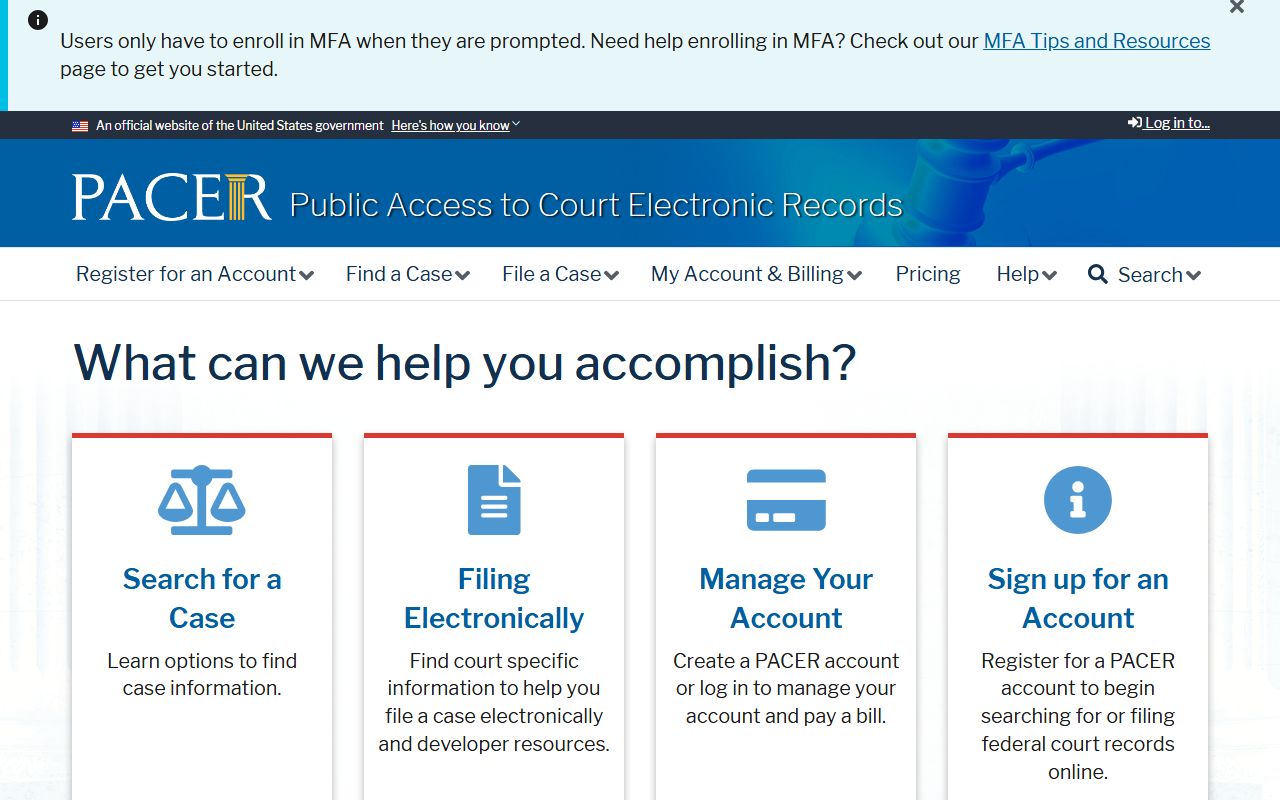
Register for PACER at pacer.uscourts.gov. The registration process is straightforward and free. Once registered, you have access to all federal court systems, not just Utah. This makes PACER useful for anyone who needs to conduct broad research on bankruptcy case filings across multiple states or courts.
Attorneys who file on behalf of clients use CM/ECF, which stands for Case Management and Electronic Case Filing. CM/ECF is the court's filing system and is also the source of the docket data that PACER provides to the public. Members of the public do not file through CM/ECF, but you benefit from the records it creates every time a Utah bankruptcy case is filed or updated by an attorney.
Chapter Types in Utah Bankruptcy Filings
Utah bankruptcy filings fall into four main chapter categories. The chapter type determines how the case is handled and what documents appear in the record. Each chapter type creates a different set of court records, though all of them are accessible through PACER and other approved methods.
Chapter 7 is a liquidation bankruptcy. The debtor's nonexempt assets are sold to pay creditors, and most remaining debts are discharged. Chapter 7 cases in Utah are typically resolved within a few months. Chapter 11 is a reorganization bankruptcy used mainly by businesses but also available to individuals with large debts. The debtor proposes a plan to restructure obligations and continue operating. Chapter 11 cases in Utah can be complex and may last for years, generating large case files.
Chapter 12 is designed for family farmers and family fishermen. It allows them to restructure their debts under a repayment plan tailored to seasonal income. Chapter 12 cases in Utah are less common than Chapters 7 and 13 but follow the same public access rules. Chapter 13 is individual debt adjustment. The debtor proposes a three-to-five-year repayment plan to catch up on secured debts and pay a portion of unsecured debts. Chapter 13 is the second most common type of Utah bankruptcy filing after Chapter 7. For filing statistics across all chapter types, the federal courts publish data at uscourts.gov/report-name/bankruptcy-filings.
Note: The chapter type is always listed in the case index on PACER and on any docket you pull for a Utah bankruptcy case.
Utah Courts XChange for State Court Records
The Utah Courts XChange system gives access to state-level court records through a subscription service. XChange covers cases filed in Utah district courts and justice courts. It does not cover federal bankruptcy records, which are in PACER. However, XChange is useful when researching related civil or collection cases that may have been filed alongside a bankruptcy in Utah state court.
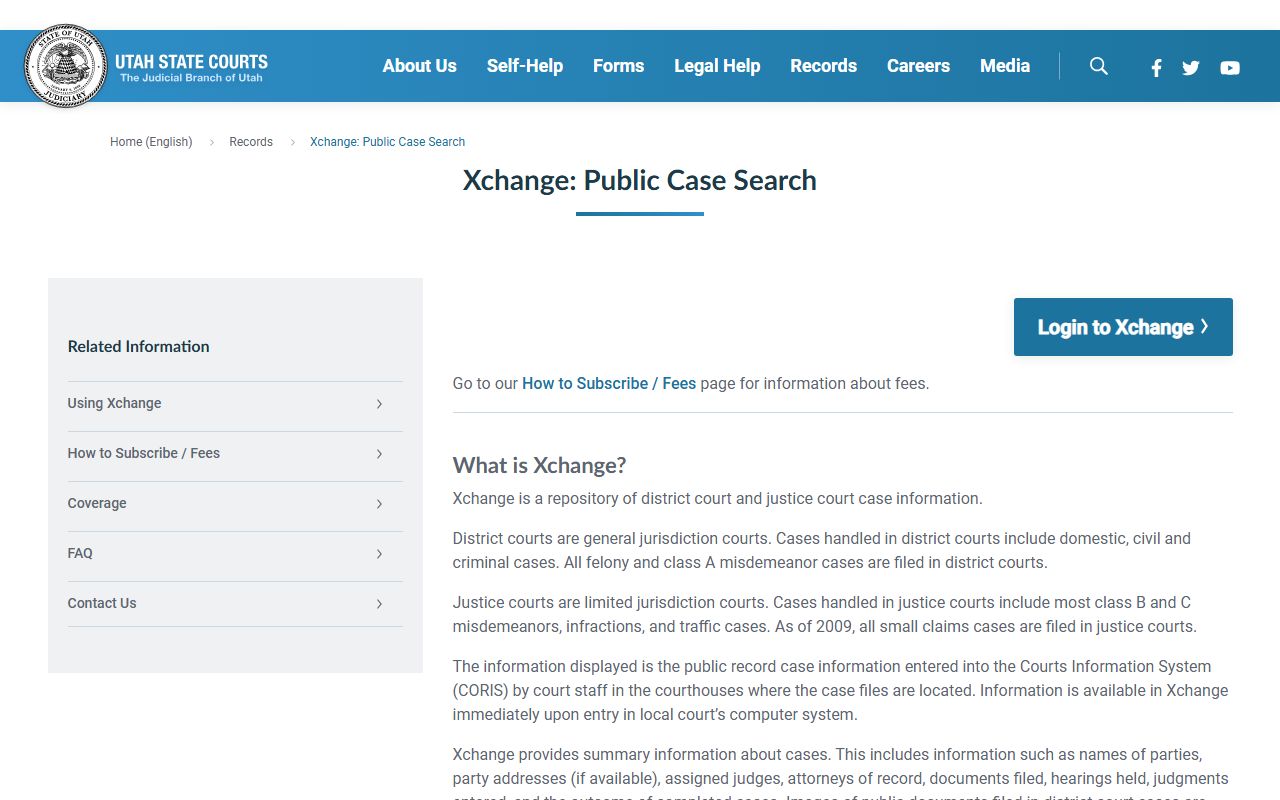
XChange is available at utcourts.gov/xchange. Subscribers can search by party name, case number, and other criteria across all participating Utah state courts. This is a paid service, unlike PACER's free basic search option. The Utah Courts directory at utcourts.gov/directory lists all state court locations and contact information for each district throughout Utah.
The Utah State Law Library is located at the Scott M. Matheson Courthouse, 450 South State Street, Salt Lake City, UT 84111. It provides public access to legal research resources including federal and state court records, legal databases, and assistance for self-represented individuals. Visit utcourts.gov/lawlibrary for hours and services available to the public.
Utah State Archives and Historical Bankruptcy Records
For older Utah bankruptcy records that predate the electronic era, the Utah State Archives is the key resource. The Archives holds historical court records going back to 1896, which includes early bankruptcy cases filed under the federal Bankruptcy Act of 1898. Files covering the period from 1970 to 1977 under that older act are stored at the Archives and are available to researchers.
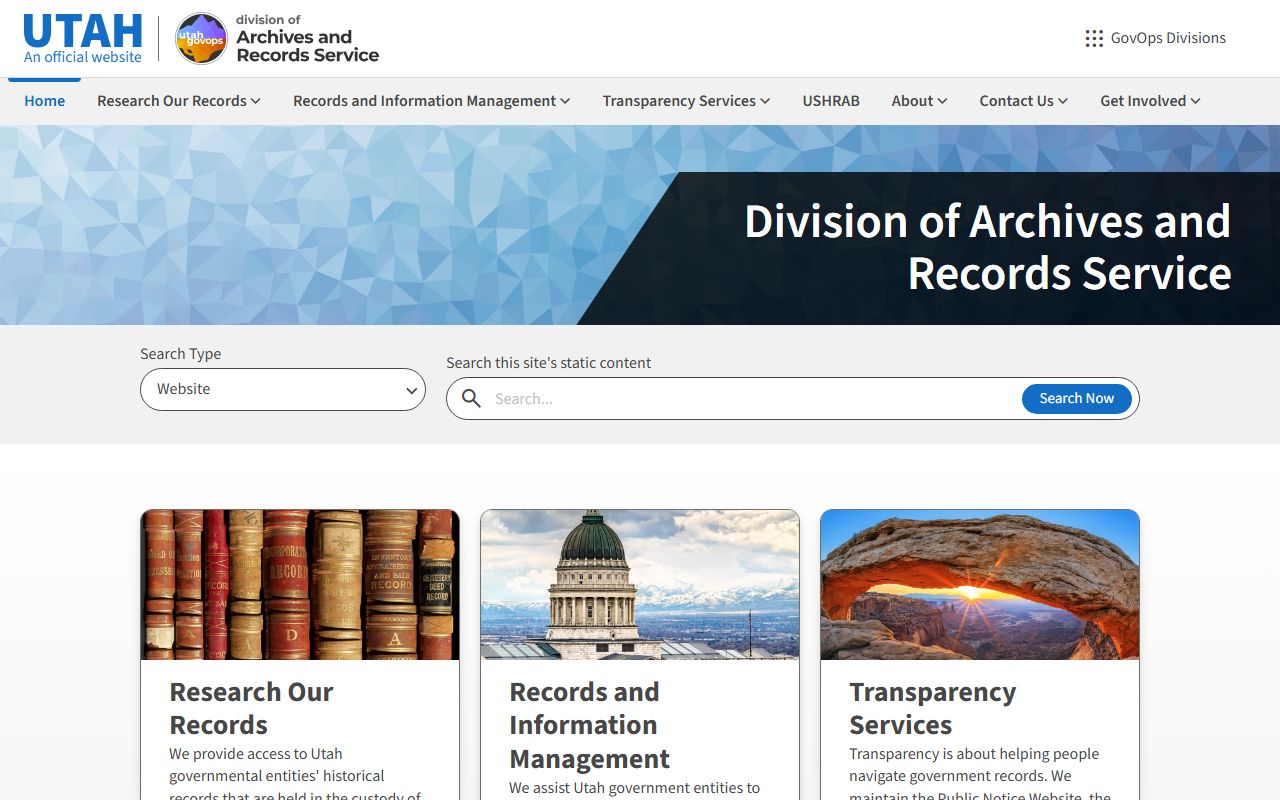
The Utah State Archives at archives.utah.gov provides access to historical government records including older bankruptcy case filings that are no longer held by the active federal court. If you are researching a bankruptcy case from several decades ago, this is the right place to look for Utah records that have been transferred out of the court system.
Researchers looking into historical Utah bankruptcy records should contact the Archives directly for help locating specific cases. The staff can assist with identifying the right record series and retrieval procedures for older case filings in Utah.
Utah Court Directory and Related Resources
While bankruptcy is a federal matter, many situations that lead to or follow from a bankruptcy filing also involve Utah state courts. Knowing where to find state court records alongside bankruptcy case filings gives you a more complete picture of a person's or company's legal history in Utah.
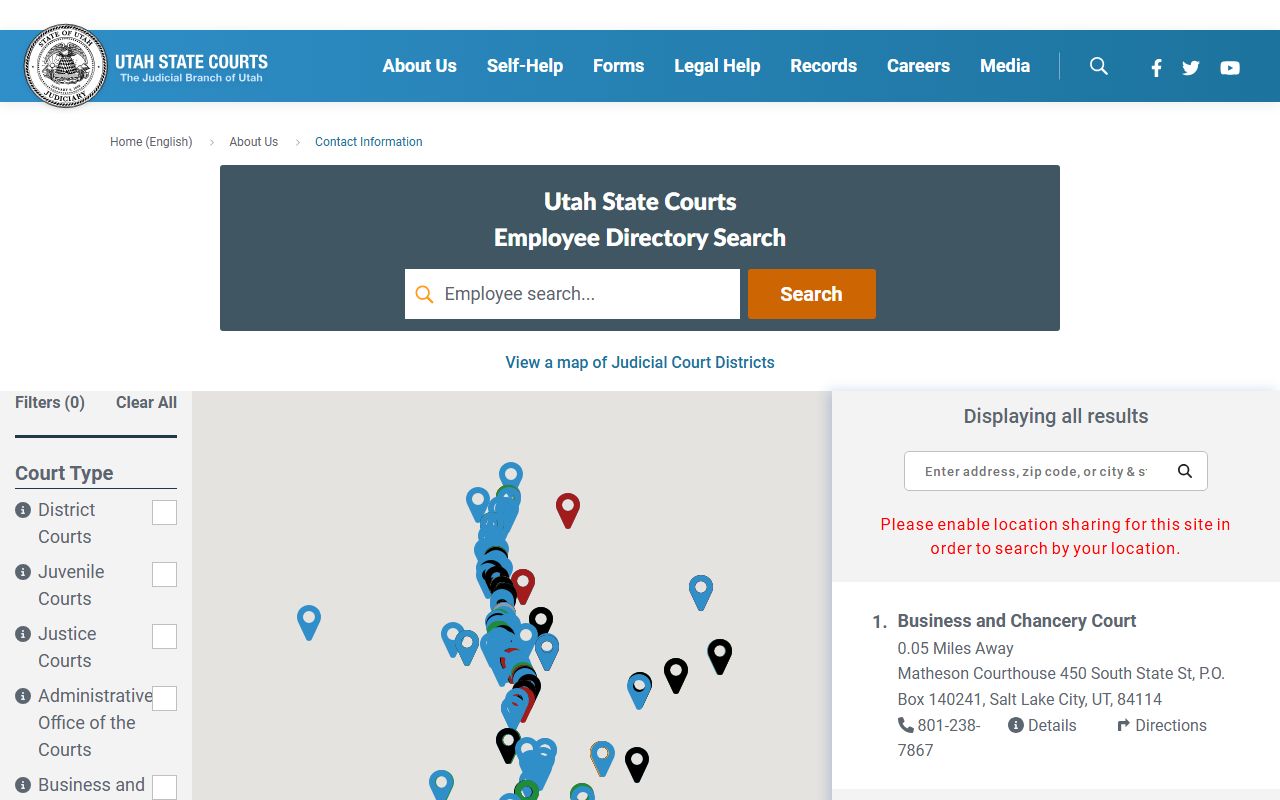
The Utah Courts directory at utcourts.gov/directory lists all state court locations across Utah's 29 counties. This is helpful when you need to look up a related civil judgment, a creditor lawsuit, or a state tax lien that may appear alongside a Utah bankruptcy case in PACER.
Utah Code Title 11 covers commercial and financial laws that often intersect with bankruptcy proceedings. You can review the relevant statutes at le.utah.gov/xcode/Title11.html. Utah also operates under GRAMA, the Government Records Access and Management Act, found at Utah Code 63G-2, which governs public records access for state-level court documents.
Federal Rules Governing Utah Bankruptcy Records
All bankruptcy cases in Utah follow the Federal Rules of Bankruptcy Procedure. These rules are set at the national level and apply uniformly across all federal bankruptcy courts, including the Utah district. They govern how cases are filed, how records are kept, and what the public can access. Federal Rule 5003 specifically requires the clerk to maintain dockets, indices, claims registers, and judgment records for every case.
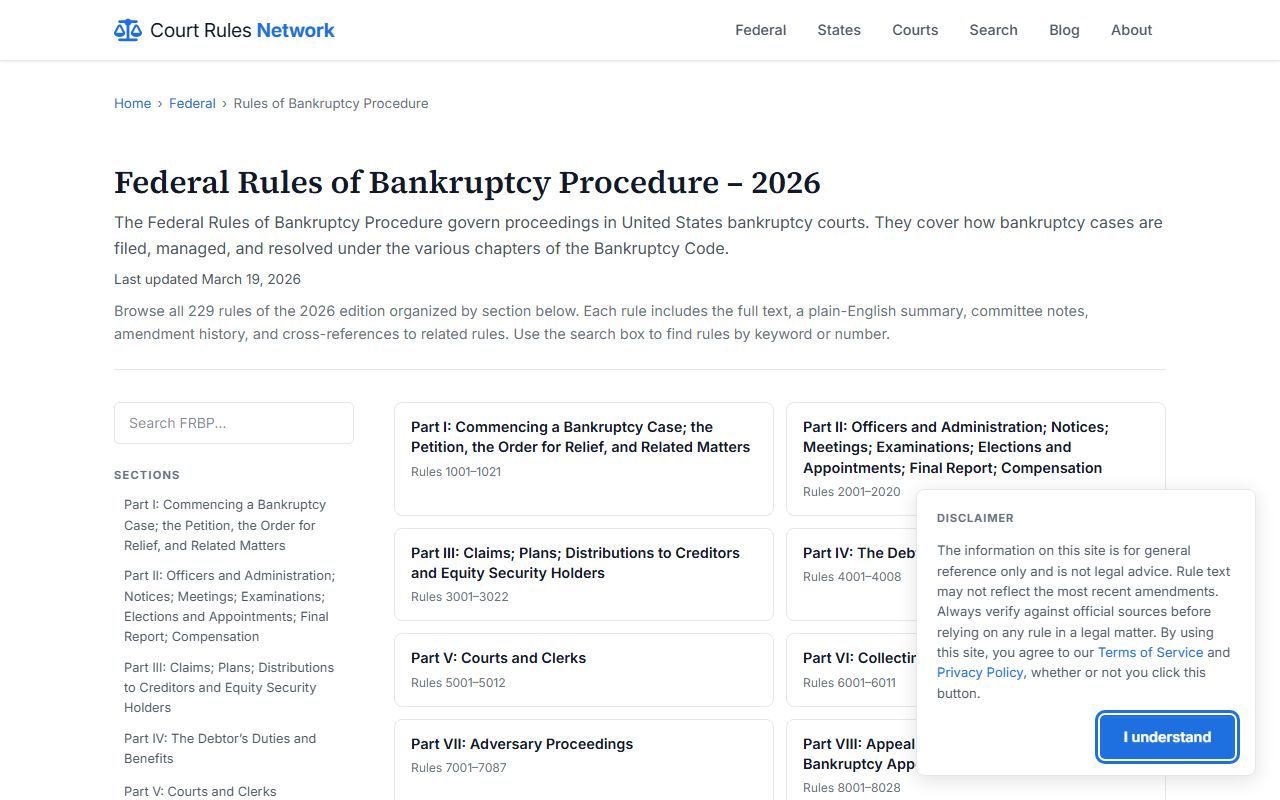
The full text of the Federal Rules of Bankruptcy Procedure is available at federalrulesofbankruptcyprocedure.org. These rules explain the procedural requirements that shape every case filing and every document in the Utah bankruptcy records system.
The U.S. Bankruptcy Court, District of Utah also has its own local rules that supplement the federal rules. These local rules govern specific procedures unique to Utah, including filing requirements for CM/ECF users, document formatting, and courtroom conduct. You can review the current local rules at utb.uscourts.gov/forms-local-rules. Local rules change from time to time, so check the court's website for the most current version before filing or relying on any procedure in Utah bankruptcy court.
Note: Federal bankruptcy law is governed by Title 11 of the United States Code. Utah has no separate state bankruptcy law, as bankruptcy is exclusively a federal matter under the U.S. Constitution.
Legal Help and Pro Bono Resources in Utah
Filing for bankruptcy or researching another person's bankruptcy case can involve complex legal questions. The U.S. Bankruptcy Court, District of Utah offers a Pro Bono Assistance Program that connects eligible individuals with volunteer attorneys. This program is designed for people who cannot afford legal representation in their bankruptcy case. Contact the court at 801-524-6687 for information on eligibility and how to apply for pro bono help in Utah.
The Utah State Law Library at the Scott M. Matheson Courthouse, 450 South State Street, Salt Lake City, provides legal research tools and assistance to the public. Librarians can help you locate bankruptcy codes, court rules, and case law without providing legal advice. Visit utcourts.gov/lawlibrary for current hours and available resources. The library is a good starting point for anyone who wants to better understand Utah bankruptcy records before consulting an attorney.
Attorneys who regularly handle bankruptcy cases in Utah file all documents through CM/ECF. If you are a member of the public and need help understanding a docket or a specific document in a Utah bankruptcy case, the court clerk's office at 801-524-6687 can answer basic procedural questions. They cannot give legal advice, but they can point you to the right forms and resources.
Browse Utah Bankruptcy Records by County
All 29 Utah counties are served by the U.S. Bankruptcy Court, District of Utah. Browse the most populous counties below or view the full county list.
Browse Utah Bankruptcy Records by City
Residents across Utah's major cities file bankruptcy cases with the U.S. Bankruptcy Court in Salt Lake City. Browse the largest cities below or view the full city list.